
Pokémon Emerald (pokeemerald-wasm)
Pokémon Emerald
Sobre el proyecto
Pokémon Edición Rubí y Pokémon Edición Zafiro, conocidos en Japón como Pocket Monsters Ruby & Sapphire , son dos videojuegos del género RPG pertenecientes a la tercera generación de la saga Pokémon, y los primeros en su tipo lanzados para la consola portátil Game Boy Advance de Nintendo. Ambos, marcan el principio de la tercera generación de la serie, y se ambientan en una nueva región denominada Hoenn.
8 versiones de Pokémon Emerald
Estás viendo: Pokémon Emerald (pokeemerald-wasm)
Pokémon Emerald (pokeemerald-wasm)github.com/tripplyons/pokeemerald-wasm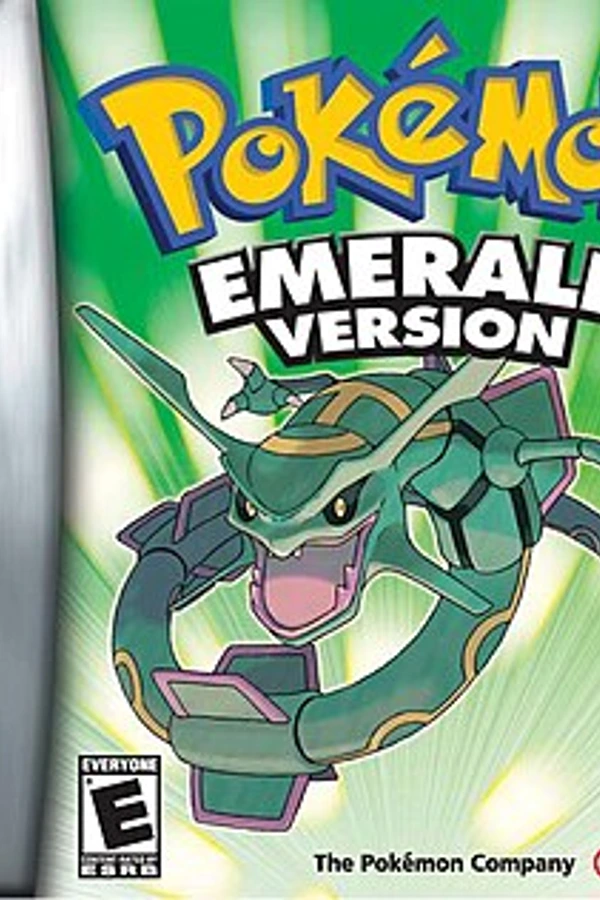 Pokemon Emeraldgithub.com/pret/pokeemeraldPokémon Emeraldgithub.com/ZallaxDev/emerald-3dsPokémon Emerald (Dual Screen)github.com/Goldoire/pokeemerald-dualscreenPokémon Emerald (Pokabbie)github.com/Pokabbie/pokeemerald-roguePokémon Emerald (PS2)github.com/dnllnoe/pokeemerald-ps2Pokemon Emerald (PSP)github.com/JustKidding23/Pokemon-Emerald-PSPPokémon Emerald Recompiledgithub.com/mstan/EmeraldRecomp
Información oficial del proyecto
pokeemerald-wasm
pokeemerald-wasm is a recompilation of the original pret/pokeemerald decompilation to WebAssembly, with a browser frontend for running Pokémon Emerald on the web.
For the 3D renderer built from this port, see pokeemerald-3d.
Native Raylib frontend
make native-raylib compiles the game C sources directly into build/native/pokeemerald-native and links the Raylib frontend. It supports macOS on Apple Silicon and Linux. Install Clang, Python 3, and Raylib (discoverable through pkg-config), along with the shared asset build dependencies. No WebAssembly module or WABT runtime is used. Flash saves are stored in build/native/pokeemerald-native.sav.
The native build reuses the browser port's C implementations of rendering and hardware operations. Generated native data keeps script addresses at 32 bits while adapting C pointer tables for the target architecture. make native-bench builds the same engine with the headless replay benchmark. make native-test checks native pointer translation and the flash-save round trip.
Kindle Scribe frontend
make native-kindle builds build/native/pokeemerald-kindle, a Linux framebuffer frontend intended for jailbroken Kindle Scribe devices. It uses the same directly compiled native game core, writes grayscale frames directly to /dev/fb0, reads touch/keyboard events from /dev/input/event*, draws on-screen GBA controls with a MAX SPEED toggle that runs the engine uncapped, shows measured internal and display FPS under the game screen, refreshes e-ink through HWTCON/MXCFB or eips when available, and stores flash saves in build/native/pokeemerald-kindle.sav.
The default Kindle build uses Zig to cross-compile a static ARM Linux executable. Install Zig, or select a Kindle-compatible Clang toolchain with KINDLE_CC and KINDLE_CFLAGS. For example: make native-kindle KINDLE_CC='zig cc' KINDLE_CFLAGS='-target arm-linux-musleabihf -mcpu=cortex_a7 -O2 -DNDEBUG -static'. The Kindle target builds its game objects separately under build/native/kindle/; desktop objects are kept under build/native/. Clang is also used to analyze the preprocessed C with the cross compiler's target layout. To install for KUAL, copy tools/kindle_kual/config.xml, tools/kindle_kual/menu.json, tools/kindle_kual/bin/start.sh, and the built binary as bin/pokeemerald-kindle into /mnt/us/extensions/pokeemerald/. Runtime options include --fb /dev/fb0, --input /dev/input/eventN, --display-fps 4, --save path, and --frames N.
The original pokeemerald README has been preserved at docs/original-pokeemerald-readme.md.